
Market players said NBFCs and HNIs are recalibrating their plans based on the changing dynamics.

Both indices are down nearly 9 per cent from their all-time highs in mid-January. A sharp reversal seems difficult this time as the peak impact of the virus is yet to play out.
The answer to that depends on whether the globe is able to contain the virus spread, says Samie Modak.

Naved Masood, former secretary in the Ministry of Corporate Affairs and Sebi board member; TV Mohandas Pai, chairman of Manipal Global Education and Dinesh Kanabar, CEO, Dhruva Advisors have ceded their position on the NSE board following end of their tenure.

At issue size of Rs 10,355 cr, the offering will be Asia's biggest this year and fifth-largest domestically.

Big pharma companies, however, said while it was true that formulation players would not rush to buy raw material, they could not afford losing customers.

The Duff & Phelps report shows that Virat Kohli has increased his brand value by 40 per cent to $237.5 million in 2019 and taken a huge lead with his closest rival, Akshay Kumar, ranked second.
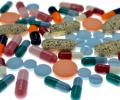
Indian pharmaceutical companies are heavily dependent on China to source fermentation-based active pharmaceutical ingredients and intermediates to manufacture these medicines, but the coronavirus outbreak there has disrupted the supply.

The new regime aims to bring in ease of doing business, as the NITI Aayog has proposed to do away with the need to have manufacturing licences to register medical devices or to get a certificate of compliance.

Amendment to the Act, sovereign guarantees, investment portfolio, realty holdings, and governance issues to shape valuation.

As fear grips the world, demand for protective gear used by health care professionals and citizens is on a rise. And, supply disruption from China has opened a window of opportunities for Indian medical device makers.

In the past 10 trading sessions, shares of the state-owned company have shot up more than 50 per cent.

On an overall basis, Nomura believes the economic conditions are suited for equity markets. The brokerage is predicting the market performance will be better in the first half of 2020 and "somewhat weaker" in the second half.

Reiterating its position, TRAI, which oversees both the telecom and television sectors in the country, said the amendments suggested on January 1 had been done to correct "distortions" in the market and address pricing issues.

At least two key drugs in the gliptin category have already gone off patent and cheaper variants are crowding the market. Also, several patent expiries are round the corner for the newest category of drugs - SGLT-2 inhibitors or gliflozins.

'If you look at the Number 1 film in India this year across Bollywood and other regional film industries, it is Avengers: Endgame.'

PharmEasy, 1mg and Netmeds believe that their disruptive capabilities will power their brands despite the recent court ruling. The Drug Controller General of India recently directed all state FDAs to stop the online sale of medicines as per a Delhi high court order of last year.

Hopes of revival and earnings growth in 2020, surprise tax cuts, and robust foreign flows - thanks to easy global monetary policies - are a few reasons why the markets have managed to digest the low GDP footprint. Select bluechips such as Reliance Industries, Bajaj Finance, Asian Paints, and ICICI Bank have gained sharply this year. On the other hand, YES Bank, Zee Entertainment, and Indiabulls Housing have seen a sharp fall.

In the aftermath of the Karvy incident, lending against third-party collateral facility raises questions over regulations concerning banks and brokers which are at loggerheads. While Sebi and NSDL have ordered the transfer of securities, which were kept as collateral, lenders followed the old business model of sanctioning loan against shares and allegedly overlooked certain parameters. Legal experts feel that this could lead to a collapse of the loan-against-shares market as it raises questions over the sanctity of the pledged securities.
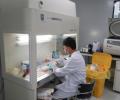
Concerned about the rise of antibiotic resistance and the time it takes for drugs developed abroad to reach Indians, the government is considering holding its own clinical trials. Clinical trials for new drugs have so far primarily been conducted only by private Indian or foreign drug firms. But given the stringent nature of India's regulatory environment for clinical trials, several pharmaceutical companies have moved their trials out of India. As a result, only 1.2 per cent of global clinical trials take place in India.
 © 2026 Rediff.com - Investor Information - Advertise with us - Disclaimer - Privacy Policy - Sitemap - Feedback - About us - Terms of use - Grievances